
Heatwaves can feel like a welcome burst of summer, but extreme heat can quickly become risky if we do not plan ahead. Hot weather can lead to dehydration, overheating, heat exhaustion and heatstroke, especially for older people, babies and young children, people with long-term health conditions, and anyone spending long periods outdoors.
Keep Yourself Cool and Hydrated
The simplest steps can make the biggest difference. Drink plenty of water throughout the day, even if you do not feel thirsty, and try to limit alcohol and too much caffeine as these can make dehydration worse. If you need to go outside, aim for the cooler parts of the day, such as early morning or evening.
During the hottest hours, usually between 11am and 3pm, stay in the shade where possible, wear loose light-coloured clothing, use sunscreen, and protect your head with a hat. At home, close curtains or blinds in rooms facing the sun during the day, then open windows later when the air outside has cooled.
Know the Warning Signs
Heat exhaustion can come on quickly. Look out for symptoms such as dizziness, headache, tiredness, muscle cramps, feeling sick, heavy sweating, or a high temperature. If this happens, move to a cooler place, drink water, loosen tight clothing and cool the skin with a damp cloth or cool shower.
Heatstroke is more serious and needs urgent help. If someone becomes confused, very drowsy, has hot dry skin, collapses, or does not improve after cooling down, seek medical advice urgently and call emergency services if it is life-threatening.
Travelling by Train During a Heatwave
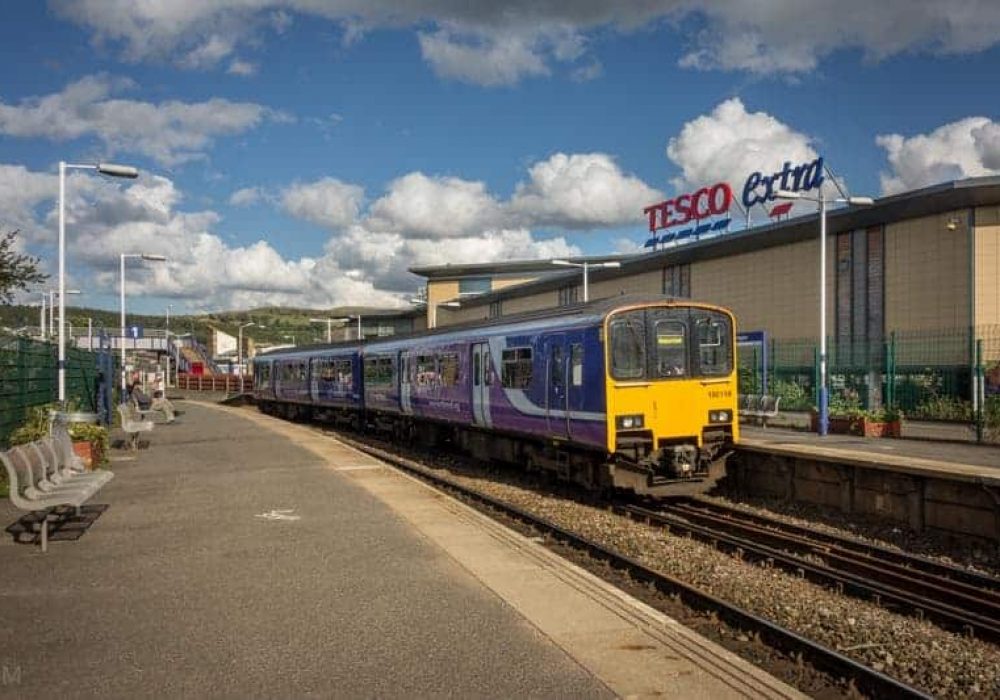
Extreme heat can affect the railway as well as passengers. Rails can become much hotter than the air temperature, overhead wires can sag, and services may need to run more slowly for safety. This means journeys can take longer and there may be delays, cancellations or short-notice changes.
Before setting off, check your journey with your train operator or National Rail and allow extra time. If official advice says to avoid non-essential travel, take it seriously. If your journey can wait, consider travelling on another day or at a cooler time, especially if you are travelling with children, older relatives, pets or heavy luggage.
Pack for Delays and Hot Platforms
- Carry more water than you think you will need.
- Take any medicines you may need and keep them stored safely.
- Wear light, breathable clothing and comfortable shoes.
- Bring sunscreen, sunglasses and a hat if you will be waiting outside.
- Keep your phone charged so you can check updates and contact someone if plans change.
- Have a back-up plan in case your train is delayed, cancelled or too crowded.
Look Out for Others
One of the most important things we can do during a heatwave is check in on people who may struggle to keep cool. A quick call, message or knock on the door could make a real difference to someone living alone, someone with a health condition, or a neighbour who may not realise how hot their home has become.
Heatwaves are becoming a more familiar part of UK summers, so it is worth treating hot weather with the same care as any other weather warning. Plan ahead, stay hydrated, avoid unnecessary travel when advised, and give yourself plenty of time if you do need to travel. A little preparation can help keep you, your family and your community safer in the heat.